

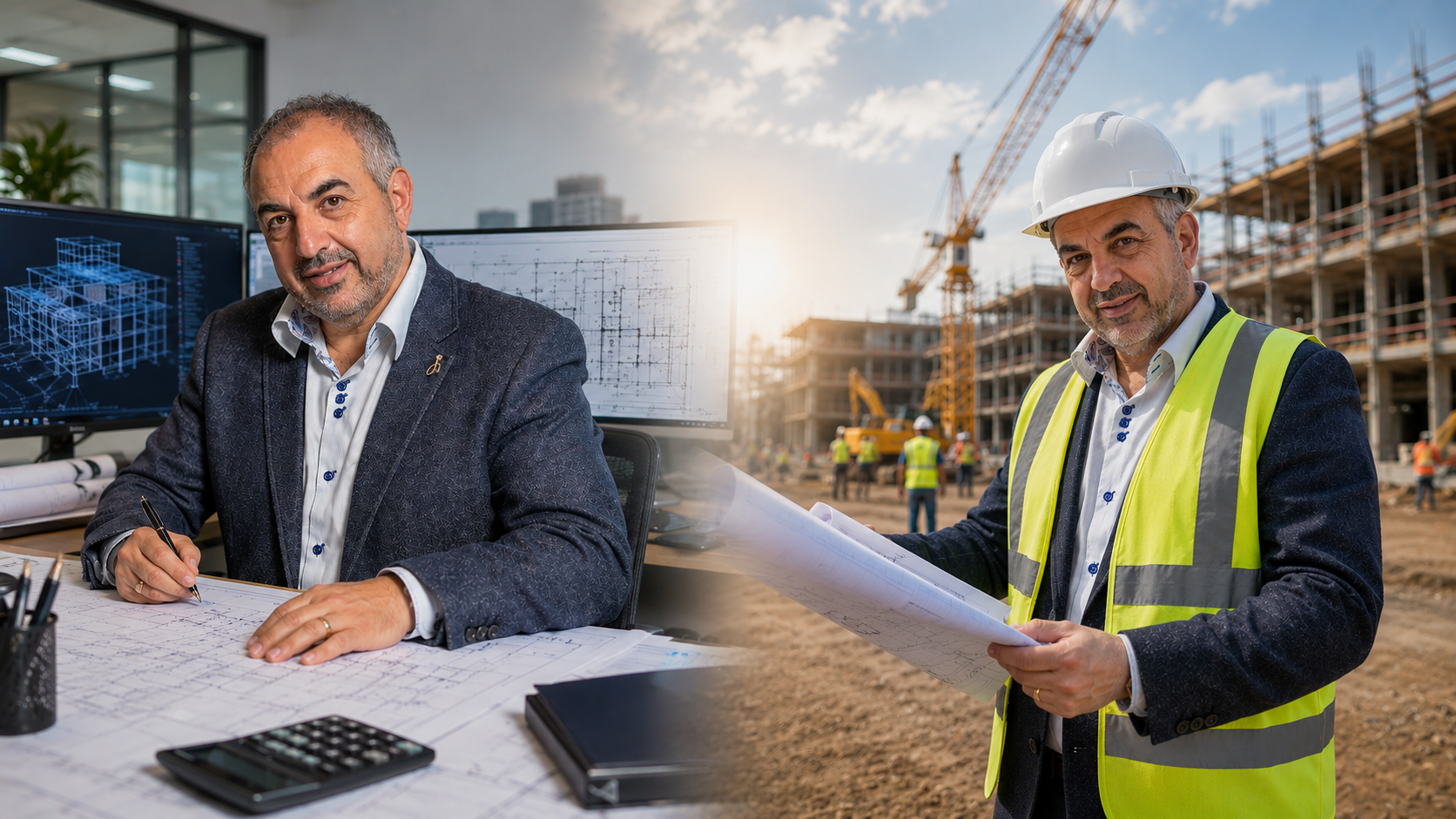
Engineers are among the most capable problem-solvers in the world. The challenge is that the problems that hold engineering organisations back are rarely technical — they’re human. Communication breakdowns between project teams and senior leadership. Technical experts promoted into management with no tools to lead people. Safety cultures that rely on compliance rather than genuine commitment. And now, an AI-driven transformation that is reshaping what engineering work actually looks like. Rael Bricker holds an MSc in Engineering, spent years in technically demanding roles including working 6,000 feet underground, and has founded and listed companies in technical industries. When he speaks to engineering audiences, he understands the work — and he understands why the people side of it is the part most organisations get wrong
The Challenge in Engineering
The single most common leadership failure in engineering organisations is the expert-to-manager transition. Technical brilliance earns promotion, but the skills that made someone an outstanding engineer — precision, independence, analytical rigour — are often the opposite of what makes someone an effective leader of people. The result is technically excellent managers who struggle to communicate with non-technical stakeholders, build cohesive teams, or create the kind of culture that retains top talent in a highly competitive market.
At the project level, engineering organisations face relentless pressure on scope, schedule, and cost — and the cultures that develop under that pressure often reward individual heroics over sustainable team performance. Communication silos between disciplines, between field teams and office-based leadership, and between engineering and commercial functions are a persistent source of costly rework, friction, and missed deadlines.
Meanwhile, AI and automation are transforming engineering roles faster than most organisations are managing. From AI-assisted design and generative engineering tools to automated project monitoring and predictive maintenance, the profession is changing — and the leaders who will guide their organisations through that change are those who approach it with curiosity, not anxiety.
Why Rael ?
Rael holds an MSc in Engineering alongside an MBA — a combination that gives him genuine technical credibility with engineering audiences while also equipping him to speak to the leadership, culture, and strategic dimensions of the work. He has worked in physically demanding technical environments, including underground mining, where leadership under pressure and safety culture are not abstract concepts but daily realities. He has founded and listed companies in technical industries, and spent decades navigating the gap between technical excellence and organisational performance that sits at the heart of most engineering leadership challenges.
He also brings a background in software engineering to his work on AI and emerging technology, giving him practical authority when speaking to engineers about what AI tools can actually do — beyond the marketing claims — and how to integrate them intelligently into technical workflows.
His 2019 Regional Scrum Gathering keynote in Nepal — “If Culture Really Ate Strategy for Breakfast, What’s for Dinner?” — drew one of the highest-rated responses of the conference from a project management and engineering audience, demonstrating that his message lands with technically sophisticated crowds who have little patience for vague inspiration
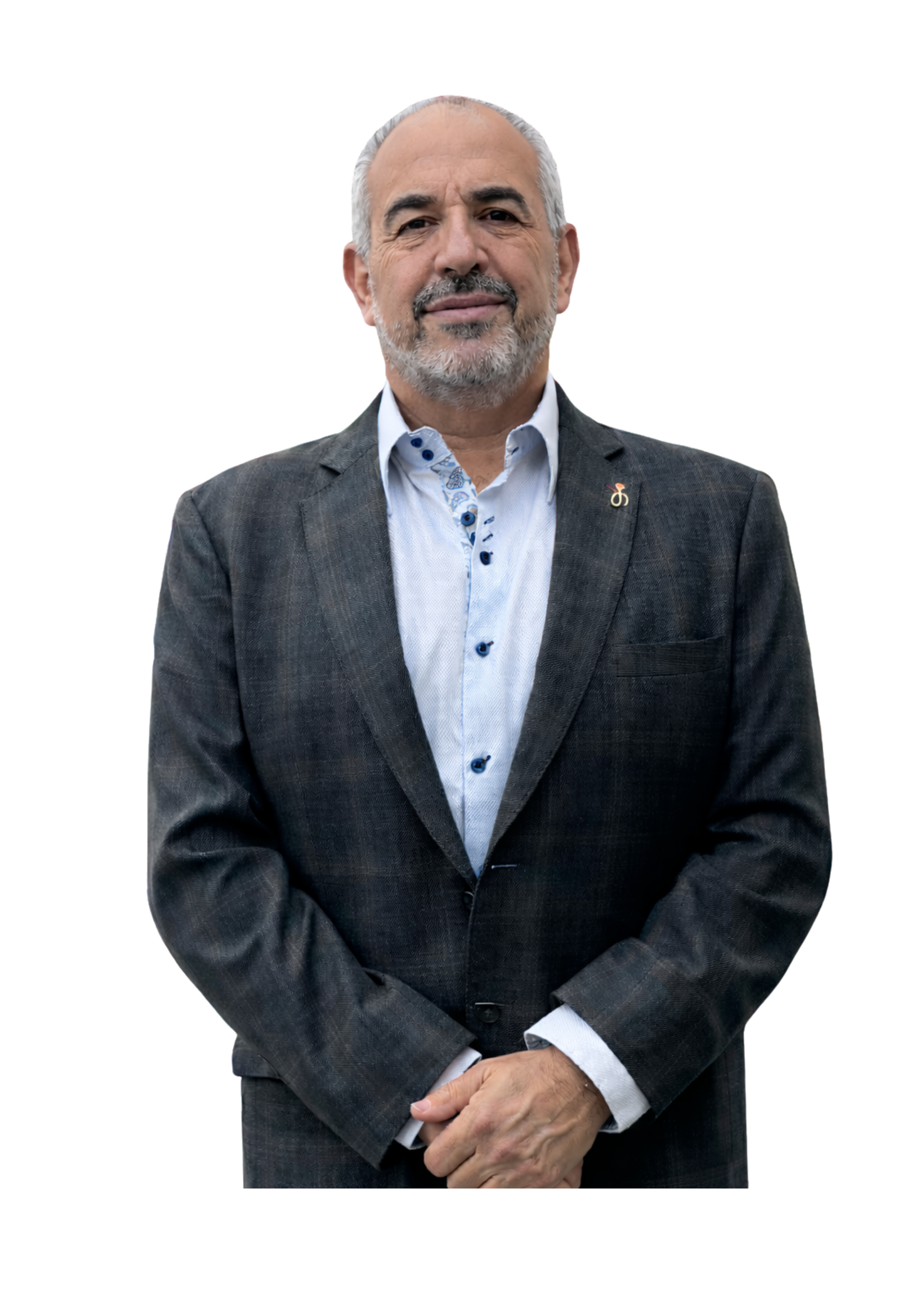
Engineering focussed Keynotes and Workshops :
From Expert to Leader — The Transition Most Engineers Are Never Prepared For
The skills that make an exceptional engineer are not the same skills that make an exceptional leader — and most engineering organisations promote on technical merit without investing in the leadership development that follows. This session gives newly promoted and mid-career engineering leaders a practical framework for the transition: how to communicate with non-technical stakeholders, how to build team trust without micromanaging, and how to lead through uncertainty in a discipline that values certainty above almost everything else.
Communicating in Full Colour — Bridging the Technical and Commercial Divide
Engineering projects fail more often because of communication breakdown than technical failure. This session gives engineering leaders and project managers a practical behavioural framework for understanding how different people — clients, contractors, executives, and field teams — process information, make decisions, and respond to risk. The result is fewer misunderstandings, faster alignment, and projects that stay on track because the human architecture supporting them is as well-designed as the technical one.
Culture That Keeps Great Engineers
In a tight labour market, engineering talent goes where the culture is. Yet most engineering organisations invest heavily in technical systems and almost nothing in the cultural environment that determines whether their best people stay, grow, and give their best work. This facilitated session helps engineering leadership teams define their culture deliberately, identify the behaviours that reinforce or undermine it, and create practical strategies for embedding it across teams, sites, and disciplines.
AI and the Future of Engineering Work
AI is already present in engineering — in design tools, project management software, predictive analytics, and quality control systems. The question is not whether engineering organisations will be transformed by AI, but whether their leaders will shape that transformation or react to it. Rael demystifies AI for engineering audiences, demonstrates practical tools relevant to technical workflows, and helps leaders develop the confidence and roadmap to adopt emerging technology strategically — without disrupting the safety and quality standards that define the profession.
What Your Team Will Leave With
• A practical leadership framework for technical professionals navigating the expert-to-manager transition
• Communication tools that bridge technical and non-technical stakeholders — on projects and in the boardroom
• A shared language for culture that can be applied across disciplines, sites, and project teams
• Clarity and confidence around AI in engineering — what it actually does, what it doesn’t, and how to lead adoption
• A grounded, experience-based perspective on safety culture that goes beyond compliance frameworks
“Rael gave a keynote at the Regional Scrum Gathering Nepal 2019. The title itself — “If Culture Really Ate Strategy for Breakfast, What’s for Dinner?” — was engaging. The presentation was of good detail and we feel fortunate to have hosted Rael all the way from Australia.”
— Prakash Ayal — Director of Project Management, Nepal
Book Rael for Your Engineering Event
Rael works with engineering firms, construction companies, infrastructure organisations, resources businesses, and engineering professional associations across Australia and internationally. He is available for conference keynotes, leadership team days, project leadership workshops, and facilitated strategy sessions. To discuss your event, call +61 408 600 330 or email rael@raelbricker.com.